
Team
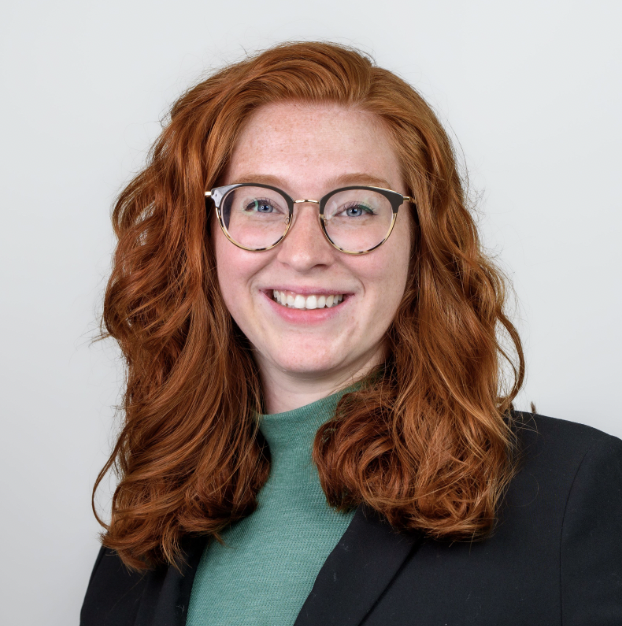
Dr. Emily Mroz
Dr. Mroz is an Assistant Professor at Emory University. You can visit her faculty profile here to learn about her role at Emory and more.
Dr. Mroz is a full-time faculty member in the Nell Hodgson Woodruff School of Nursing at Emory. Her work spans aging, caregiving, serious illness, and bereavement topics, all with a focus on helping adults navigate profound life challenges with confidence, self-acceptance, and health. Dr. Mroz has expanded her network of academic collaborators (see here for more) and community collaborators (see here for more).
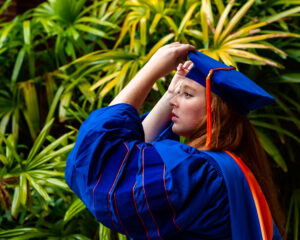
Dr. Mroz earned her PhD in Developmental Psychology and Gerontology from the University of Florida in 2021. During this training, she worked in the lab on projects related to bereavement and death attitudes, personal narrative sharing, and promoting dignity for advanced cancer patients. She also worked at the UFHealth hospital on projects to improve the quality of care received by very ill patients in the neuology and neuroICU departments. Finally, she worked in the community with local community centers, retirement homes, and hospice organizations to improve access to health planning resources and death education.
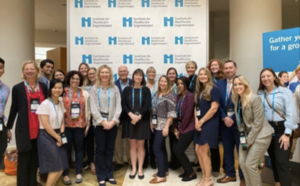
Dr. Mroz completed a postdoctoral fellowship at Yale School of Medicine in their Section of Geriatrics, with additional training from the Yale School of Public Health. During this time, she expanded her expertise in caregiving science, intervention development, and dementia positivity. She began partnering with local organizations, including LiveWell Dementia Care and Borrow my Glasses Gerontology Company.
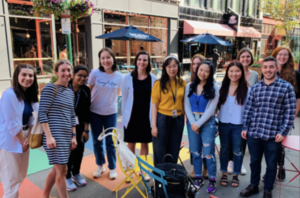
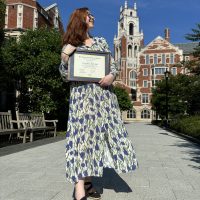
Meet The Team
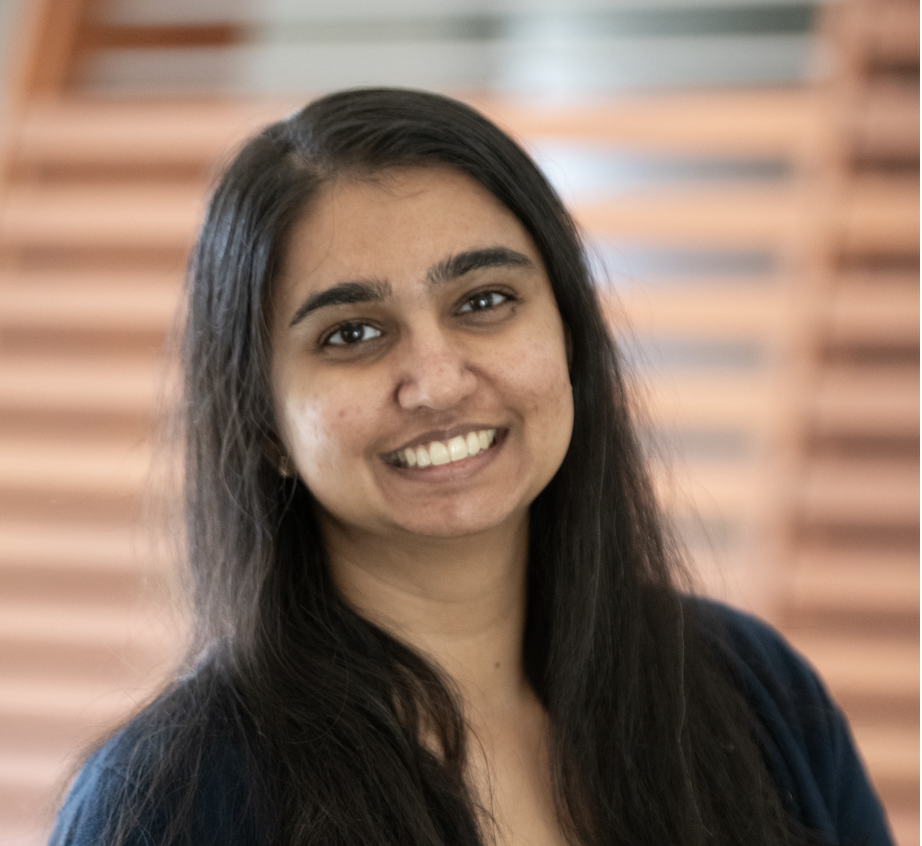
Prachi Patel
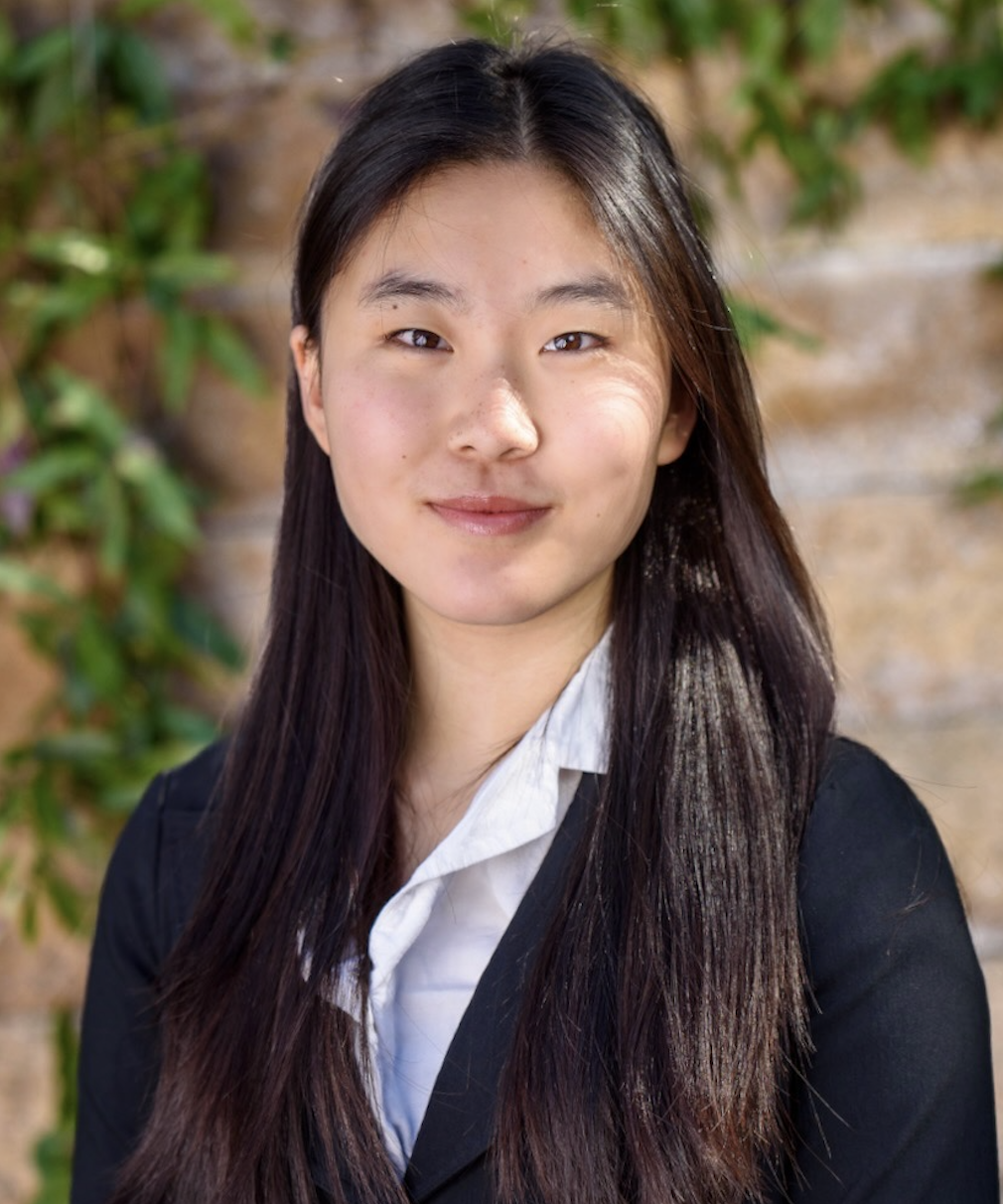
Grace Tao
Grace is a second-year undergraduate Psychology student who’s also pursuing a minor in Data Science. She is interested in how narrative attributes like cohesion inform sense of self, and CBT techniques for maladaptive self-concepts. In the lab, she primarily works on literature reviews. Outside of work, you might find her spending hours hiking, making handmade pasta, writing short stories, and watching true crime documentaries.
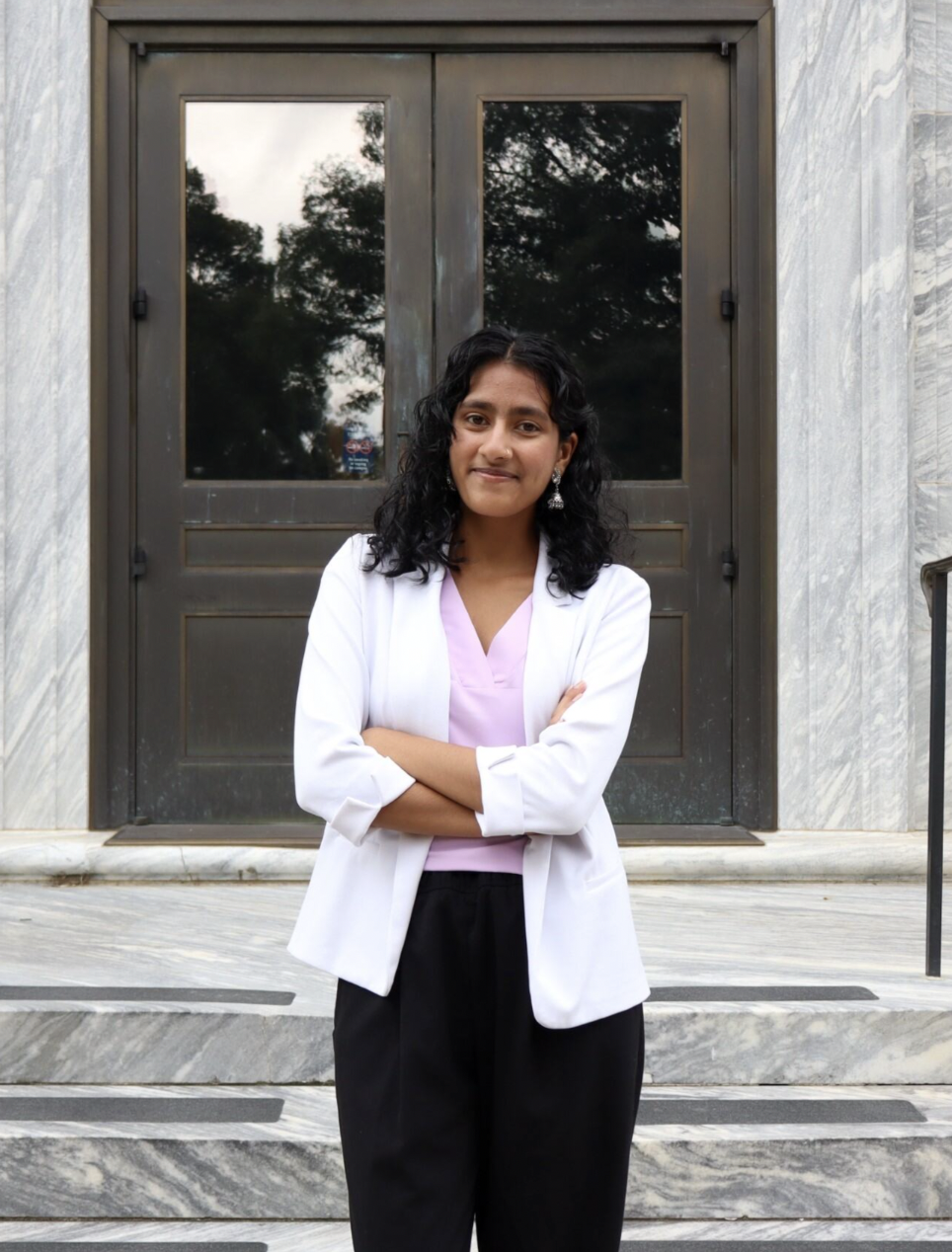
Nirmayi Deshpande
Nirmayi Deshpande is a second-year undergraduate Neuroscience and Behavioral Biology Major from Fremont, California, aiming to pursue a medical career. She has primarily worked on literature reviews, coding, and data extraction, and has interests in exploring narrative interventions. In her free time, Nirmayi enjoys singing with her a cappella team, cooking, lifting, and trying restaurants around Atlanta.
FAQ Responses
1. What are the benefits of being a research assistant?
Being a research assistant offers you a fresh perspective into the process of research, something that I believe every undergraduate should experience irrespective of major or career track. There’s so much to be learned about preliminary research, building and testing interventions, collecting and organizing data, and analysis, too. I can’t say I’ve had the chance to try everything yet, however every project I have been a part of has taught me more than I expected.
2. How much research experience do I need?
Though research experience is incredibly valuable to have, everyone has to start somewhere. This is the first lab that I have been a part of and have gained extensive experience and skills thusfar. Interest, commitment, and passion are truly what matter most in my opinion, skills can be taught!
3. What skills can I gain from this experience?
My time here has been spent primarily on full text reviews, coding, data extraction, and more. There are also opportunities for narrative and qualitative analysis, and data collection for those interested.
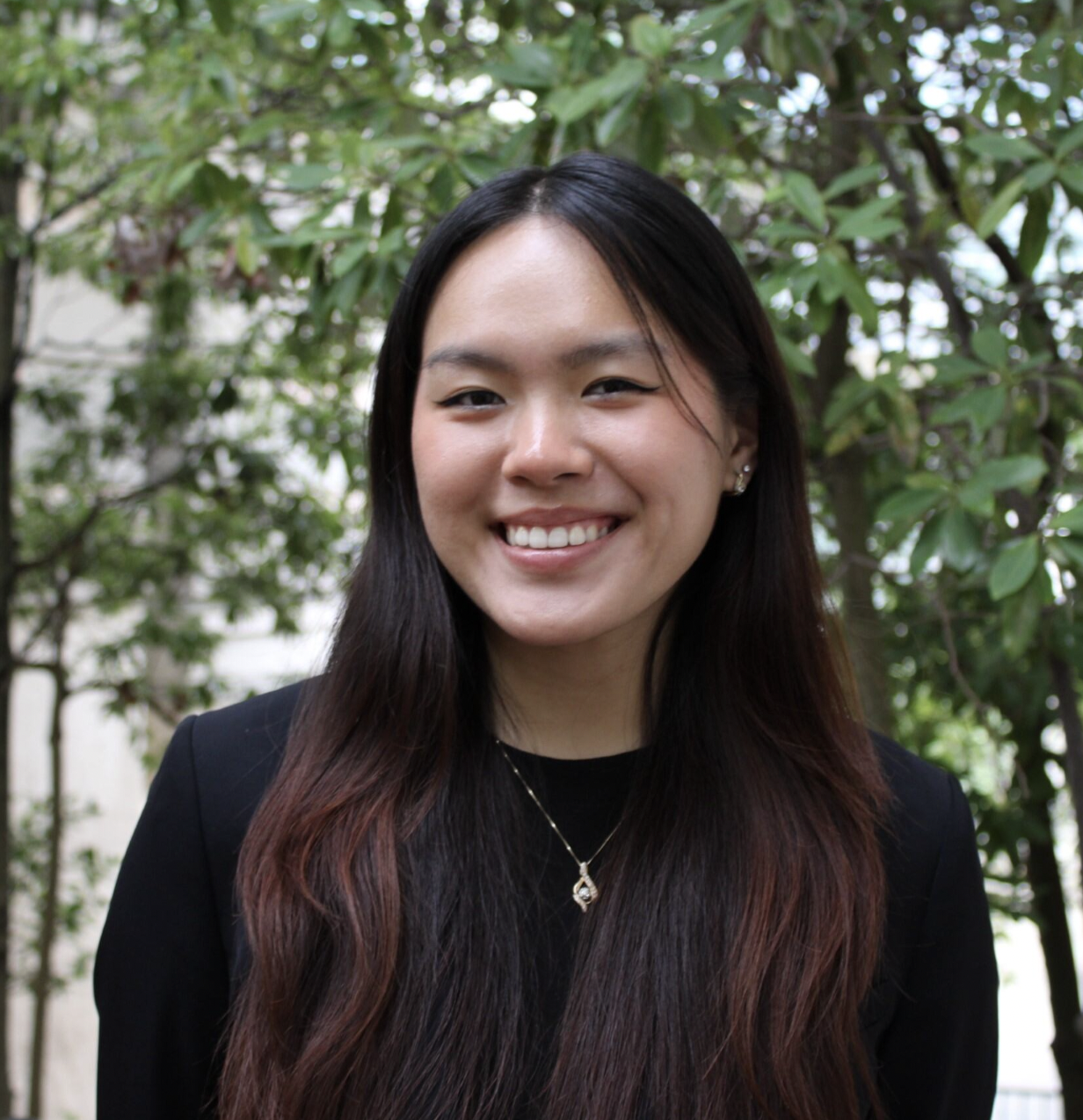
Coco Lu
Coco is a third-year undergraduate student from Johns Creek, GA pursuing a Bachelor of Science in Nursing (BSN), with aspirations to specialize in either NICU or PICU nursing. She is passionate about how relationship dynamics and quality influence health outcomes across the lifespan. Her work in the lab focuses on aiding participant sessions, and she is particularly interested in examining the influence of caregiver–care recipient relationship quality and prior caregiving history on caregiver preparedness. In her free time, she enjoys café-hopping, running, cooking, journaling, and watching shows like Modern Family and Criminal Minds!
FAQ Responses
1. What are the benefits of being a research assistant?
Something I’ve been incredibly grateful for is the opportunity to gain hands-on experience across different stages of the research process, including helping participant recruitment and running study sessions. I have also greatly appreciated the collaborative environment with the other RAs and receiving individualized mentoring and feedback from Emily!
2. How much research experience do I need?
Prior to joining the lab, I had experience in conducting statistical analyses and abstract writing. However, you definitely don’t need extensive research experience as long as you are willing to learn and engage with the projects! Stay curious and open-minded, and don’t be afraid to ask questions or explore new topics.
3. What skills can I gain from this experience?
This depends on what projects you choose to contribute to, but expect to gain a wide range of research skills such as participant recruitment and communication, data collection, literature review, collaboration within a research team, and scientific thinking and writing.
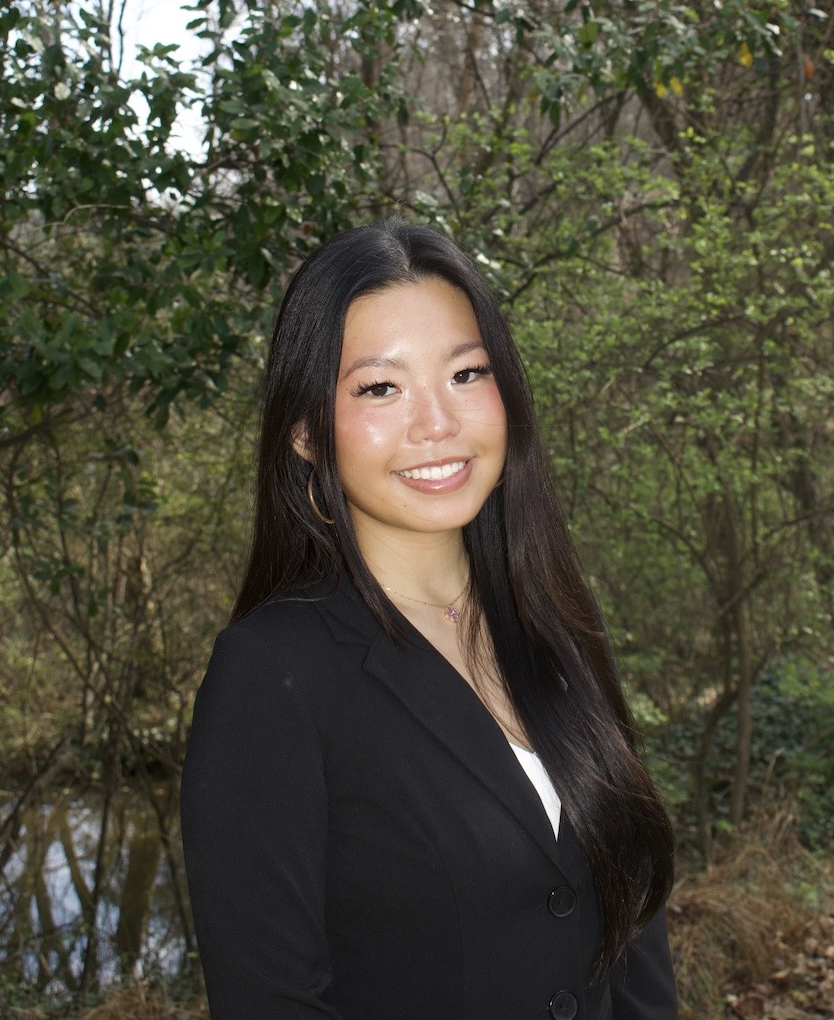
Alicia Kim
Alicia is a fourth-year undergraduate student pursuing a Bachelor of Science in Psychology on the Pre-Nursing track. She is from Atlanta, Georgia. In the lab, she has worked on website development as well as quantitative and qualitative coding for various ongoing projects. In her free time, she loves going to workout classes, needlepoint, arts and crafts, and spending time with her family.
FAQ Responses
1. What are the benefits of being a research assistant?
We have the opportunity to take on a wide range of roles across the research process, so you are always learning something new! You also get to learn about roles you haven’t experienced yet through the projects of your teammates.
2. How much research experience do I need?
Before joining the lab, I had only been in a hands-on setting conducting tests and experiments, which is different from the type of research we do at the Frost Lab. There’s no research experience level you need to be at because each project you take on is a little different, and nothing is just thrown at you. Everyone is always willing to help others if you need anything!
3. What skills can I gain from this experience?
I’d say a major benefit is growing your analytical thinking and communication skills. Aging in older adults is such a broad subject that you’re always going to be shown new perspectives of research, how we get data, interpret data, and use it to help others.
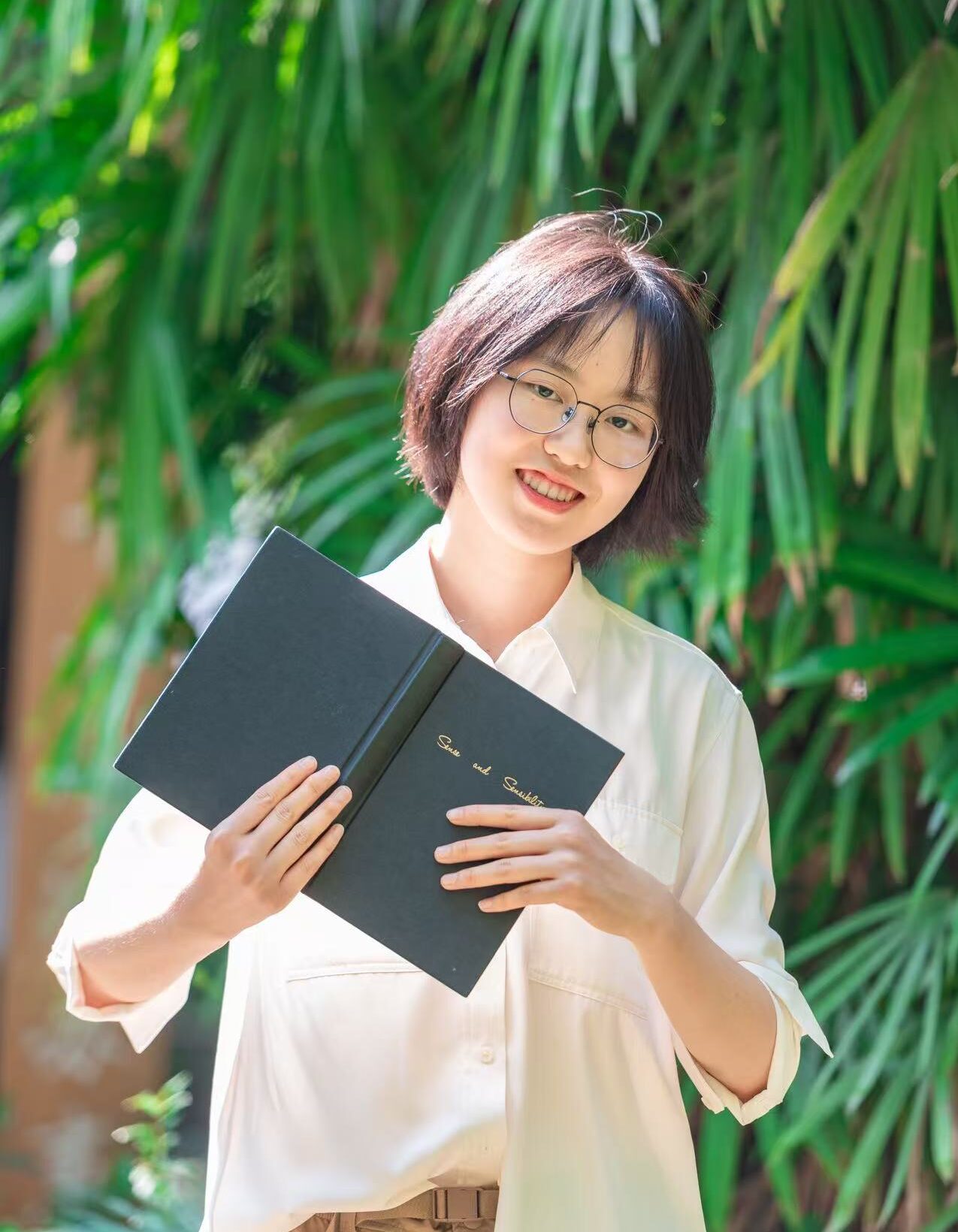
Qingyang Hu
Qingyang is an undergraduate student (Graduating in May, 2027) pursuing a Bachelor of Science in Nursing (BSN) at Emory University. Originally from Chengdu, China, her research interests center on the experiences of caregivers, how patients and caregivers navigating serious illness, their transitions, decision-making, finding meaning along the journey and ethical concerns in healthcare. She completed a minor in Ethics at Emory and is interested in bringing ethical and humanistic perspectives into nursing and health research. Within the lab, she has contributed to projects examining trauma among dementia caregivers and loneliness among caregivers. Outside the lab, she is also involved in research exploring cancer caregiving, patient–caregiver decision-making, and the lived experiences of patients and families. She values interdisciplinary research and has worked with mentors from diverse backgrounds, including philosophy, computer science, and psychology. She has three parrots back home in Chengdu, and she loves them so so much.
FAQ Responses
1. What are the benefits of being a research assistant?
If you love asking “why” or always wonder if it really is the case in daily life, you should have a try! It’s a great way to learn new skills about different type of research and analysis while becoming involved in the process of generating new knowledge in the field. I personally think that is very exciting. Like you are helping with drawing a map to a place that is mysterious to most people.
2. How much research experience do I need?
This is not the first lab I joined—But when I first started reaching out as a freshman, I had zero research experience. Don’t hesitate to reach out! I would suggest email people you want to work with to have a zoom chat to learn more about possible opportunities:)
3. What skills can I gain from this experience?
I think research help you to learn how to turn curiosity into actionable exploration: how to communicate a question or interest you have, find the resources you need, and develop the skills necessary to work closer toward an answer. It also teaches you to recognize the limitations of existing knowledge, which I think can make you a more thoughtful and cautious clinician/person. Of course, you will also gain practical skills such as data management, analysis, scientific writing, and presenting your work. Most importantly, research helps you to get to know how to learn and do at the same time, which is valuable in a world where everything is constantly changing.
Alumni
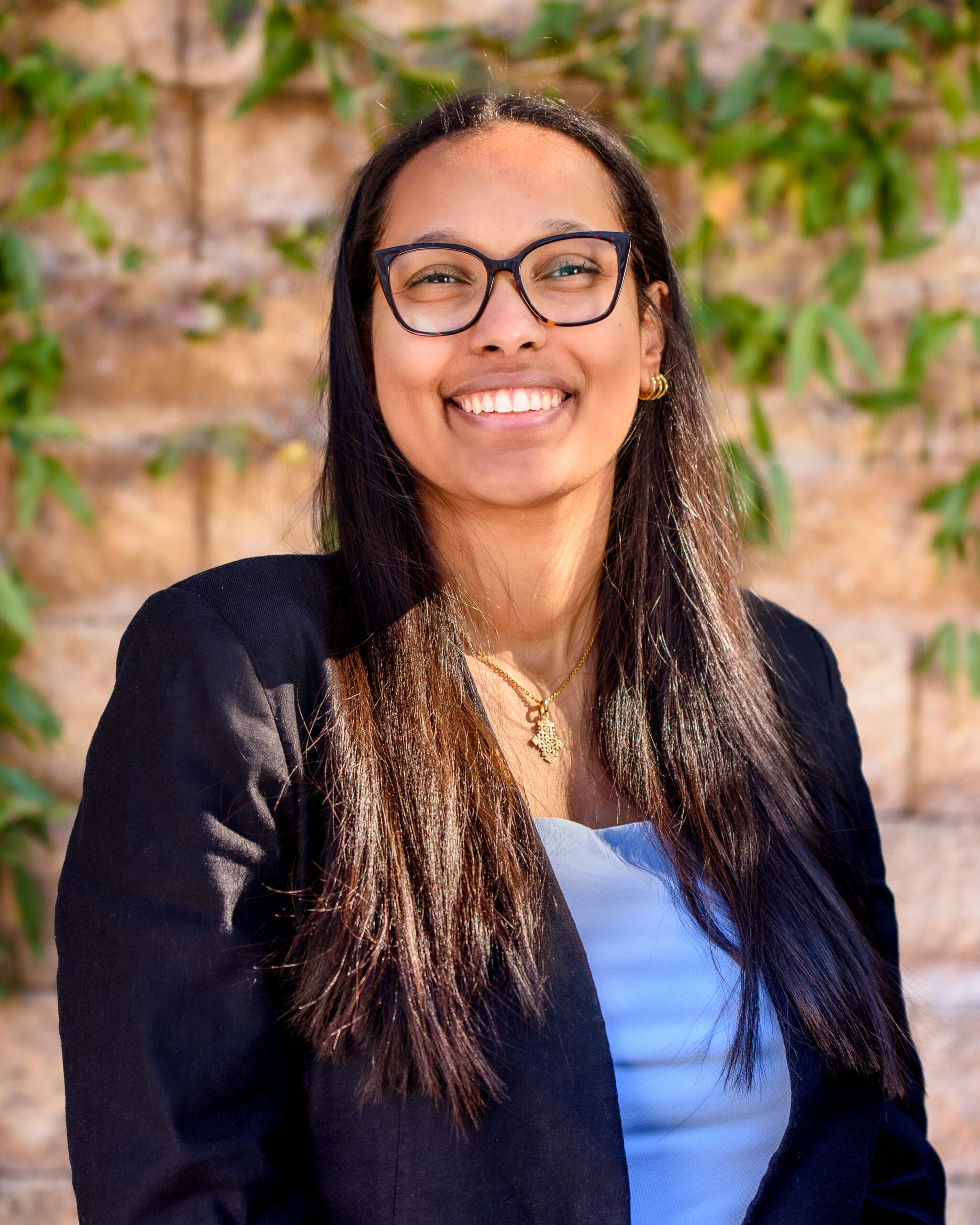
Gelila Ambellu
Gelila Ambellu graduated from the University of North Carolina at Chapel Hill in 2024. She received a BSPH in Health Policy and Management from Gillings School of Global Public Health. Gelila is a MPH student who is passionate about health services research and counter storytelling. Within the lab, Gelila primarily supported a scoping review that maps the use of narrative-sharing interventions. She also contributed to Care Voice, where she deductively coded caregiver narratives.
FAQ Responses
1. What are the benefits of being a research assistant?
Benefits include being surrounded by proponents of healthy aging, having opportunities to lead projects, and being exposed to multiple stages of the research process.
2. How much research experience do I need?
It really depends on the project you’re on! A willingness to learn things on the job is always helpful. I didn’t have any prior experience with communion coding and reviews before joining the lab in September 2024.
3. What skills can I gain from this experience?
As hinted above, this lab operates on a choose your own adventure approach. You can develop technical skills in qualitative data analysis, grant writing, scientific writing, transcription, data cleaning, and survey design.
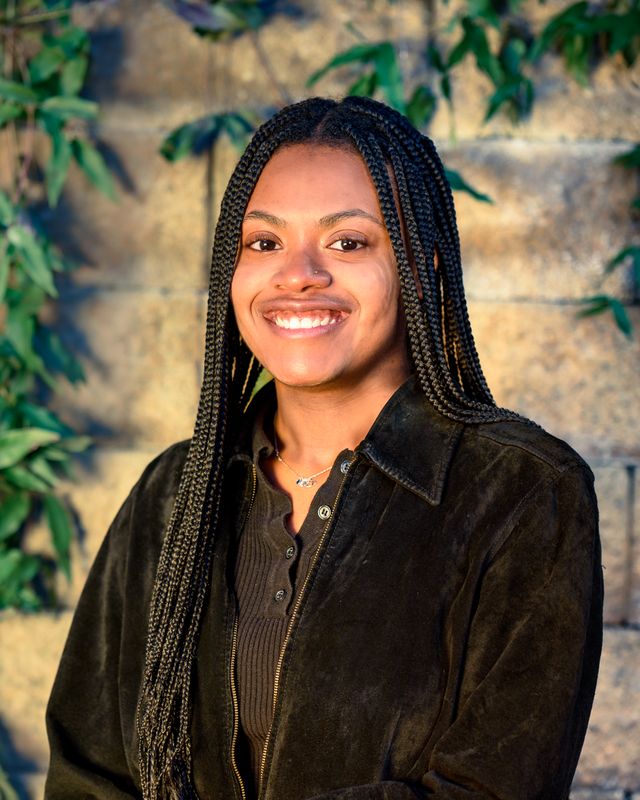
Bianca Orosco
Bianca graduated from the University of Central Florida in 2023 with a B.S. in Health Sciences on the Pre-Clinical track. She is in the Master’s program at Emory University for Epidemiology. Within the lab, she specialized in data collection and recruitment.
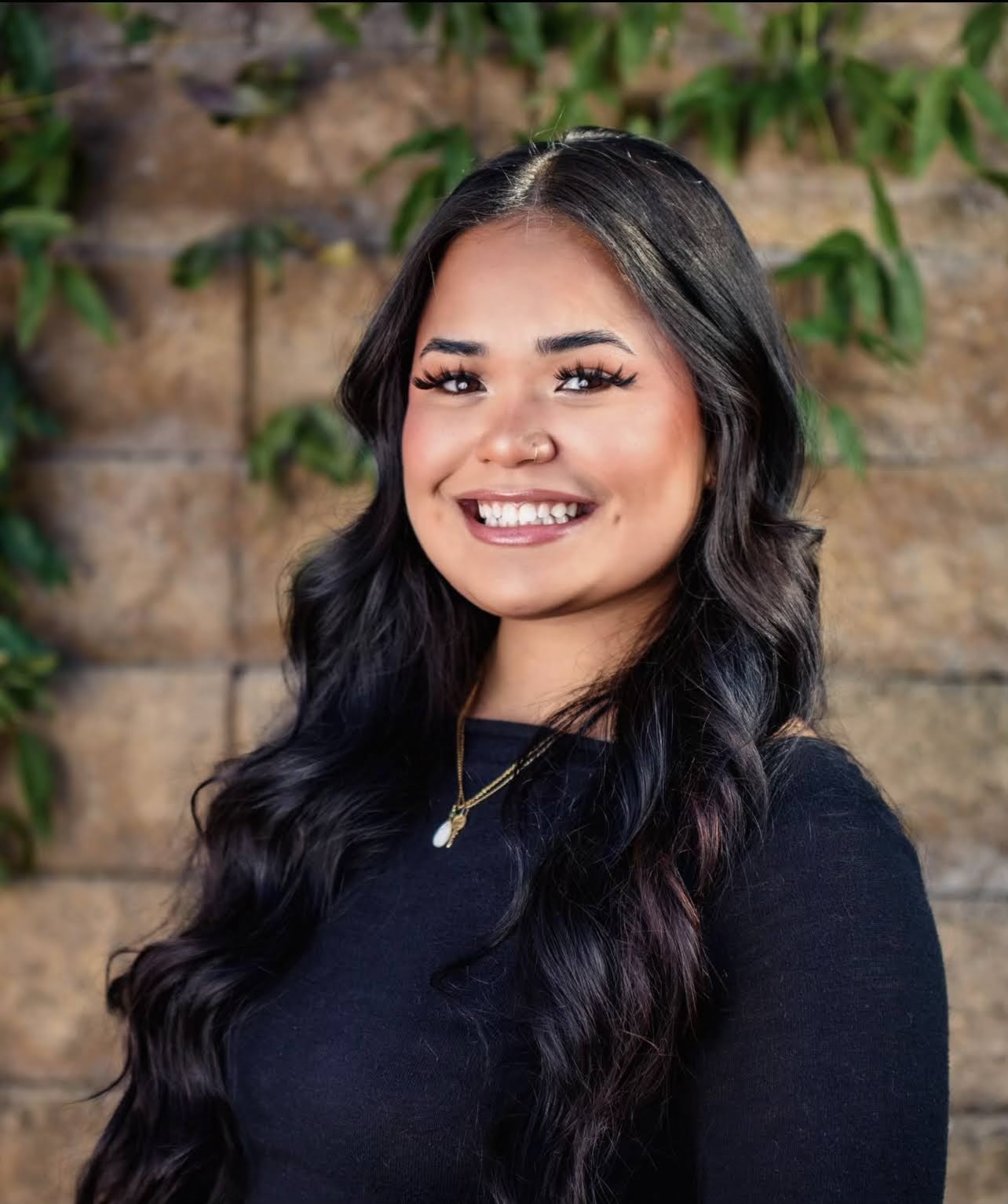
Mia Sumera
Mia Sumera is a Master of Public Health (MPH) student in the Department of Epidemiology at Emory University’s Rollins School of Public Health, pursuing a certificate in Data Science. She graduated from Clemson University in 2024 with a B.S. in Biological Sciences and minors in Microbiology and Psychology. Within this lab, Mia focused on data collection and study design, with a specialization in data management and program development.
FAQ Responses
1. What are the benefits of being a research assistant?
Being a research associate has provided me with invaluable hands-on experience that extends beyond traditional academic learning. Working within this team has allowed me to develop skills and engage with aspects of research I had not previously encountered, including grant writing, specialized training, and program development. These experiences have strengthened both my technical knowledge and professional confidence. Depending on your role, it can be a paid position as well!
2. How much research experience do I need?
It really depends on the specific project you are interested in. Having prior experience is helpful, but it is far from the most important factor when it comes to research early in your career. I personally think curiosity, ambition, and a genuine desire to learn will take you further than a polished resume alone. The most valuable thing you can do is be honest about where you are in your journey. That way, the team can meet you where you are and support your growth from there.
3. What skills can I gain from this experience?
One of the things I appreciate most about this lab is the autonomy it encourages. Dr. Mroz trusts you to take ownership of your work, allowing you to build confidence in engaging meaningfully in the research process. The mentorship available, both from team members and Dr. Mroz, creates an environment where you are constantly learning and supported in your growth. The specific skills you gain will largely depend on your project, but the depth of experience is significant. Personally, I have learned how to develop and conduct qualitative research, recruit and screen participants, draft and submit grant proposals, and, most recently, how to establish a nationwide community advisory board for the lab. You get out of it what you put in!
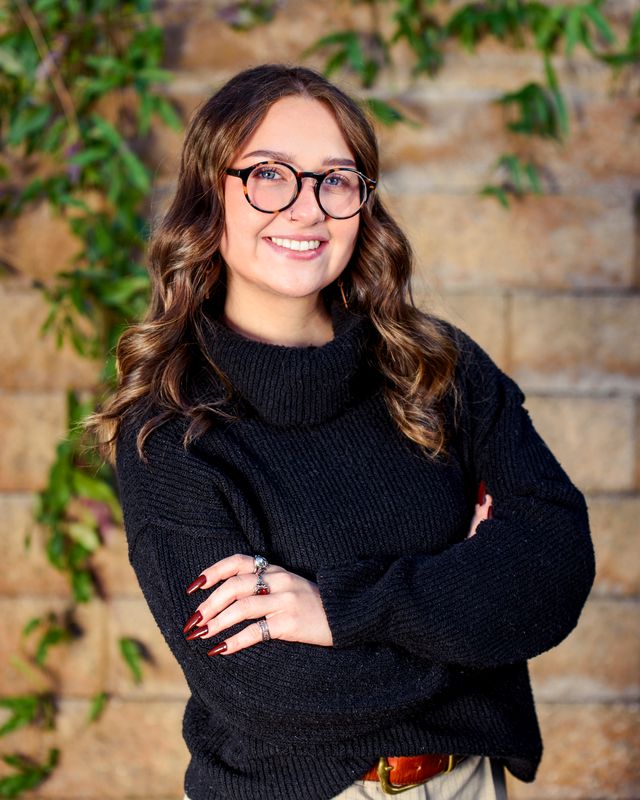
Isabella Livingston
Bella is a graduate student pursuing a Master of Public Health at Rollins in the Behavioral, Social, and Health Education department. She is passionate about individuals experiencing cognitive decline, equity for marginalized populations, and substance use disorder.
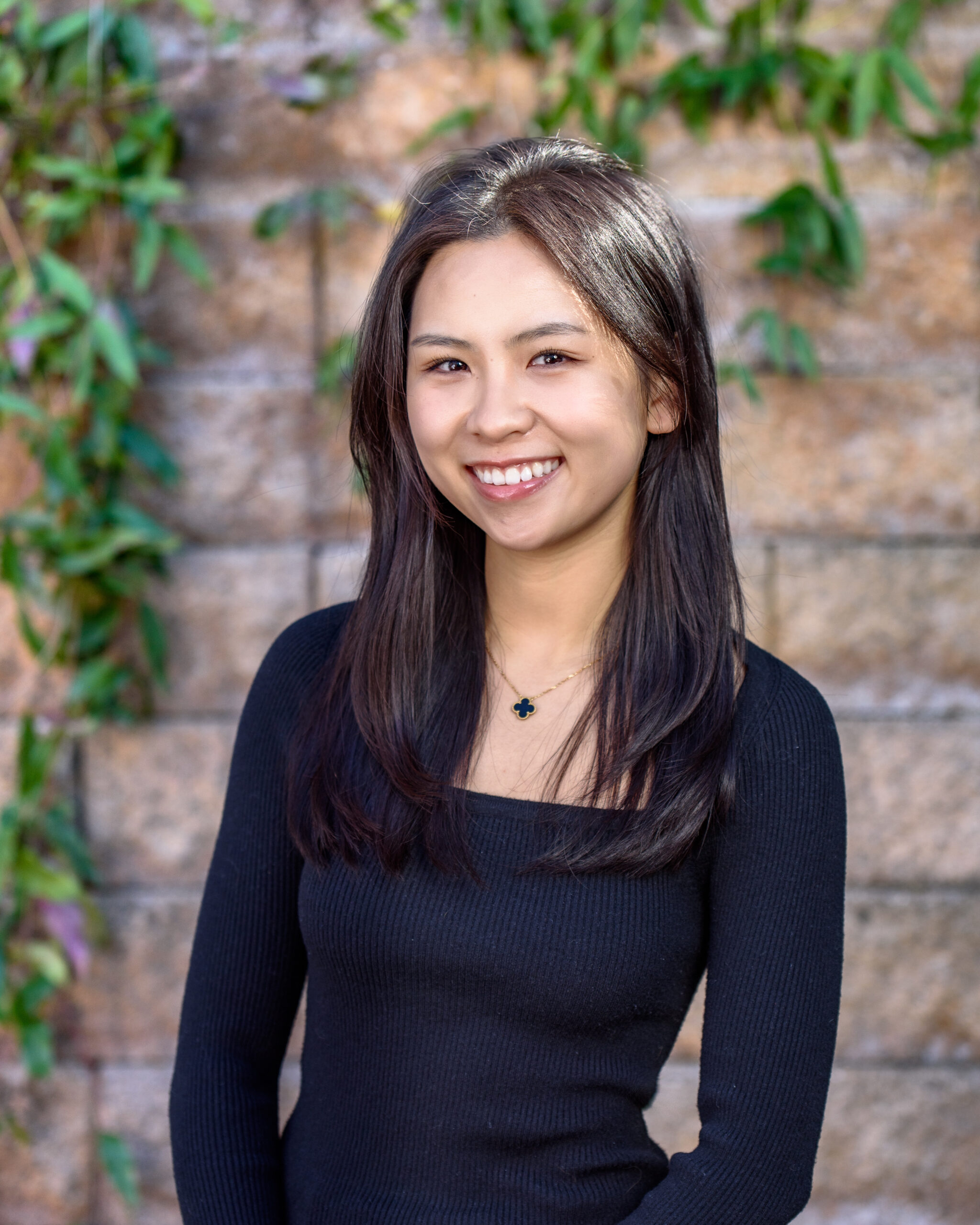
Annie Pei
Annie graduated from Emory University with a Bachelor of Science in Psychology and a secondary major in Interdisciplinary Studies. Within the lab, she contributed to website development and assisted in narrative analysis for ongoing research projects.
FAQ Responses
1. What are the benefits of being a research assistant?
Some of the many benefits include working with a team that both supports your ideas and challenges you to think in new ways, having the freedom to take on projects that genuinely interest you, receiving individualized and encouraging mentorship, and deepening existing interests while also discovering new ones.
2. How much research experience do I need?
I think curiosity and teamwork are more important prerequisites than prior research experience. Many people in the lab, especially undergraduate RAs, join with enthusiasm and a willingness to learn, and develop strong research skills along the way.
3. What skills can I gain from this experience?
I joined the lab with a strong interest in a particular concept, and this experience has given me hands-on skills to see that concept in real life. Along the way, you build scientific writing skills, develop management skills through leadership opportunities, and learn how to turn broad curiosity into validated research.
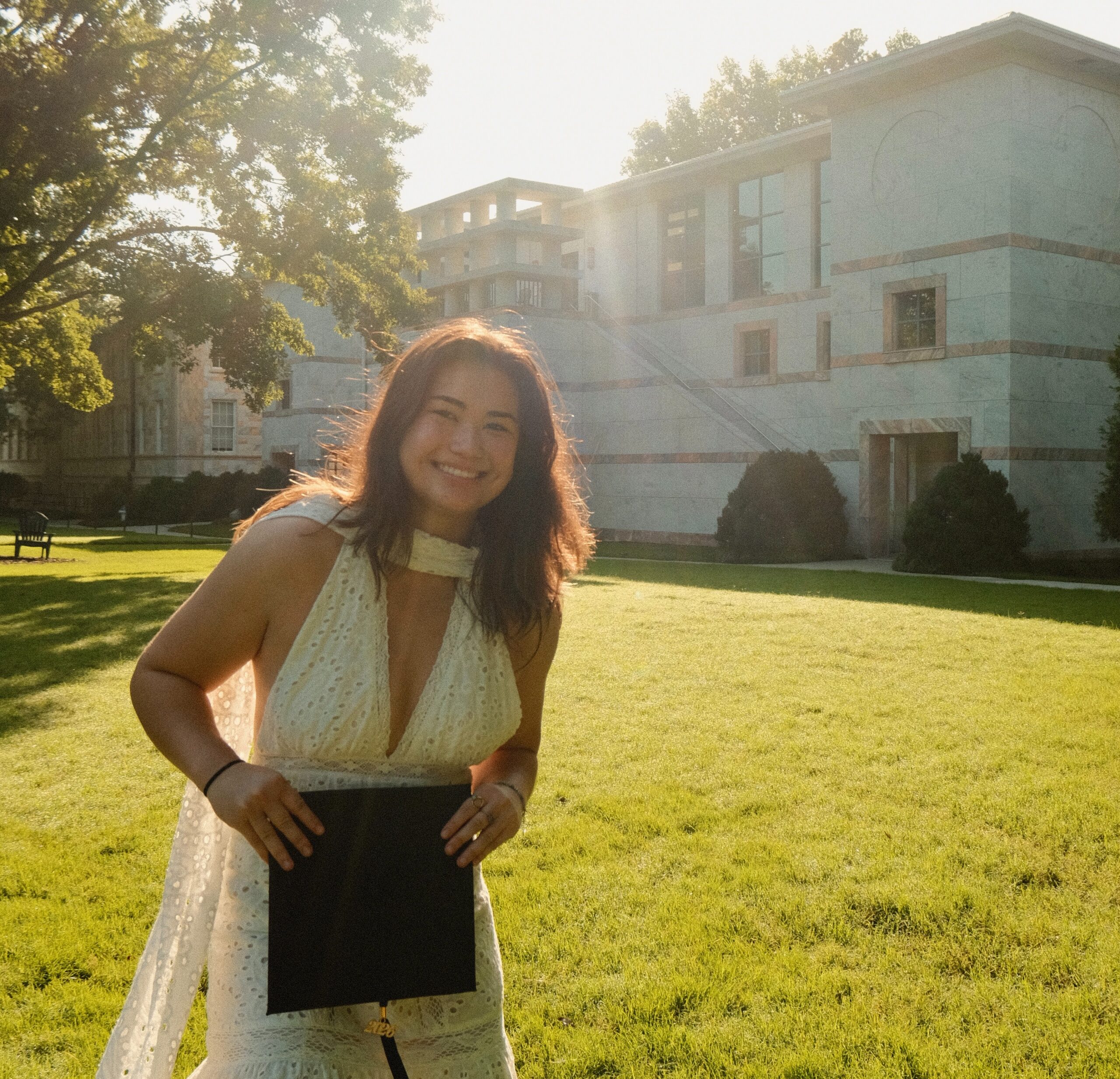
Emily Tso
Emily graduated from Emory University with a Bachelor of Science in Psychology and a minor in Predictive Health. Within the lab, she engaged in qualitative coding, narrative analyses, as well as the development and implementation of Keeping on Course.
FAQ Responses
1. What are the benefits of being a research assistant?
A collaborative team that embraces your perspective, an individualized and personal-feeling mentorship connection, opportunities to step into new projects (pretty frequently), truly walking away from each project feeling like I am growing and learning rather than merely executing a role.
2. How much research experience do I need?
Emily seems to be more drawn to enthusiasm and willingness to learn/be versatile than anything, so I think that is the biggest prerequisite (from what I have observed). I came in with next-to-no research experience, and somehow I fit the part?
3. What skills can I gain from this experience?
You will gain immense people skills if you are engaging with participants, tons of random abbreviations for things, a broadened scope of how research operates (writing/coding/analysis/timelines/collaboration), communication skills.